
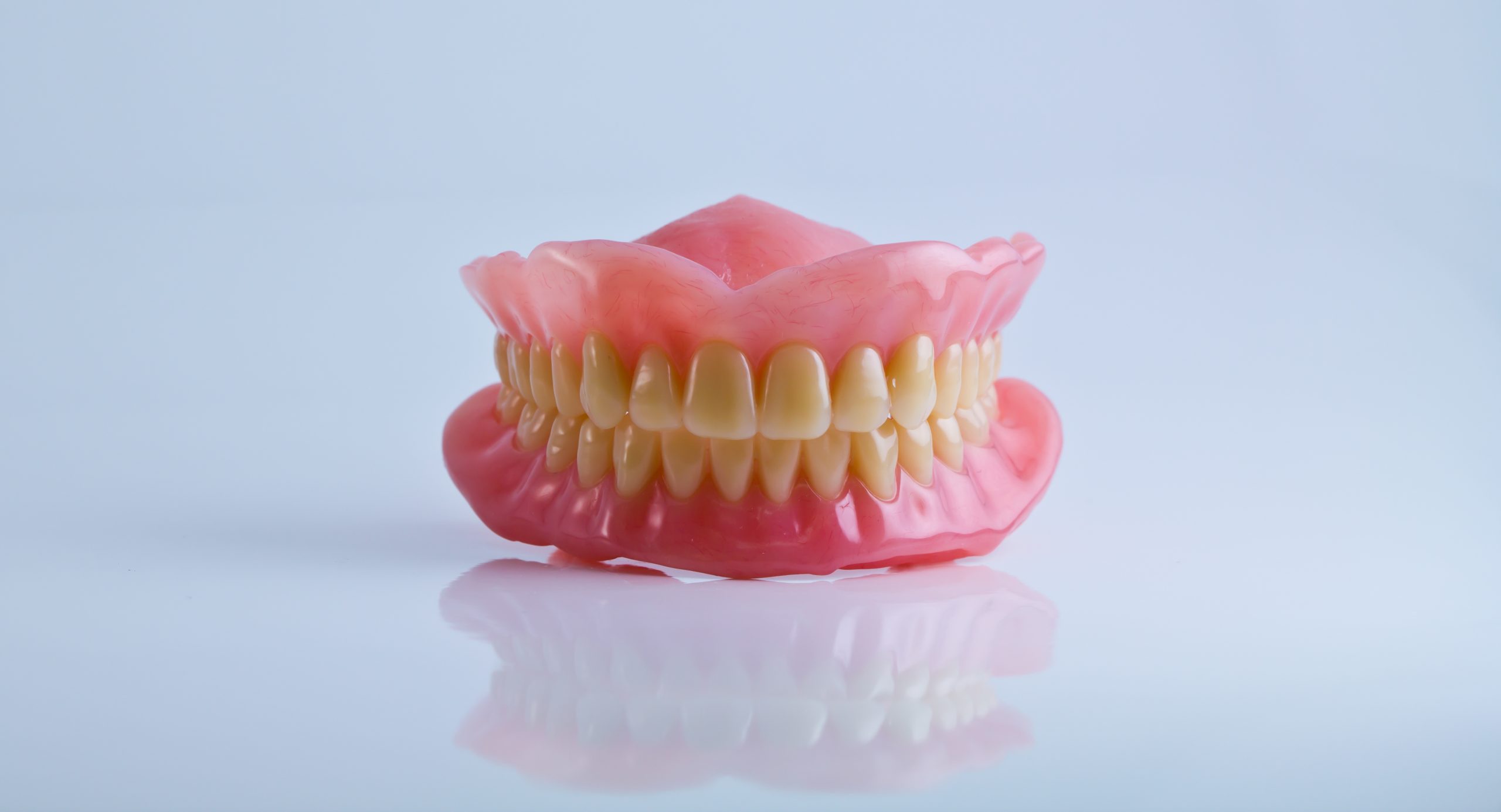
No, using household glues or DIY shortcuts to fix broken dentures at home can permanently ruin the acrylic base, throw off your bite alignment, and expose your mouth to toxic chemicals. Instead of panicking, carefully collect every broken piece and schedule a professional evaluation so your Appliance can be rebuilt safely without hurting your gums or remaining natural teeth.
It can be distressing to break or crack an appliance just before a trip, a family meal, or work, especially if you depend on your prosthetic for comfortable eating and speaking. Although it may be tempting to reach for the bathroom cabinet for a quick fix, understanding how expert denture restoration works will save you money and protect your health.
Common Reasons Dentures Crack, Split, or Break
Even well-constructed complete and partial dentures are subjected to heavy daily stresses. Cracked dentures usually have a couple of culprits:
- Accidental Drops: Wet hands sliding over a porcelain sink or tile floor during a routine cleaning are the number one cause of snapped bases and chipped teeth.
- Gradual Material Fatigue: The acrylic resin gradually develops microscopic stress fractures under repeated chewing forces, eventually causing the material to break during a typical meal.
- Poor Fit Over Time: As time passes, your gums and jawbone naturally shrink, creating gaps beneath the denture base that cause it to flex unevenly with each bite.
- Extreme Temperatures: When an appliance is soaked or rinsed in boiling water, the bespoke acrylic shape is distorted, making it brittle and more likely to shatter.
What to Do Immediately After Your Dentures Break
Every day, even well-made full and partial prosthetics are subjected to significant stress. A few common causes account for the majority of denture cracks:
- Remove the Appliance Immediately: Snapped bases and chipped teeth are most often the result of wet hands slipping over a porcelain sink or tile floor during normal cleaning.
- Collect Every Fragment: The acrylic resin deteriorates over time, bit by bit, as microscopic stress fractures form from years of repeated chewing forces during a typical meal.
- Store Pieces Safely in Water: Gaps develop beneath the denture base as your gums and underlying jawbone naturally decrease, resulting in unequal bending each time you bite down.
- Call a Local Denture Specialist Promptly: When an appliance is soaked or rinsed in boiling water, the bespoke acrylic shape is distorted, making it brittle and more likely to shatter.
Can You Fix Broken Dentures at Home? Why DIY Methods Are Risky
Epoxy, model cement, and cyanoacrylate super glue are common household glues that come to mind when people inquire how to fix broken dentures. Unfortunately, trying to fix dentures at home leads to major functional and safety issues:
- Toxic Chemical Exposure: Common household adhesives are not medical-grade, and as they decompose in your mouth, they release toxic compounds into your saliva.
- Permanent Base Damage: Super glue dissolves and softens dental acrylic, destroying the neat fracture edges that a technician requires to reassemble the parts smoothly.
- Misaligned Bite and Sore Spots: The way your upper and lower teeth meet can be altered by even a millimetre of dried glue thickness, which can cause migraines, painful gum ulcers, and jaw pain.
Are Over-the-Counter Broken Denture Repair Kits Safe?
Basic acrylic powder, liquid monomer, and glue are usually included in a pharmacy-grade broken denture repair kit intended only for temporary situations, such as when you are travelling and won’t be able to visit a clinic for a day or two.
While safer than regular super glue, dental-grade adhesive in emergency kits has strict limitations. It is almost impossible to hold two snapped portions at the precise angle your bite requires without specialized laboratory alignment tools. Also, once do-it-yourself acrylic sets inside a crack, a dentist often needs to shave away excess material to correct the misalignment, making a simple laboratory repair much more difficult.
Professional Repair vs. Replacement: What to Expect
Can broken dentures be repaired by a professional? In fact, a denturist can use specialized lab jigs, medical-grade acrylics, and heat or pressure-curing equipment to repair fractures, reattach loose teeth, or strengthen weak areas. Often, this can be done on the same day, when all the parts are still in place and the overall fit remains precise.
However, knowing when toreplace broken dentures is equally important. A brand-new prosthetic may be the healthier, more cost-effective choice if:
- The denture exhibits extensive wear or flattened teeth and is older than seven to 10 years.
- The acrylic base is either fixed in the same location repeatedly or broken into several absent pieces.
- Major changes in the jawbone may mean a simple repair or routine reline won’t provide a stable, comfortable seal.
Practical Tips to Prevent Future Denture Damage
Simple everyday routines play a big role in reducing the chances of accidental falls and structural deterioration:
- Cushion Your Sink: Before you brush your Appliance, always put down a folded hand towel or fill the sink basin with water to prevent a slip that could cause a crack.
- Use Proper Cleaners: Instead of ordinary toothpaste, which can scratch acrylic, use a soft denture brush and a non-abrasive cleanser.
- Keep Up With Routine Checkups: Frequent examinations enable your dentist to perform preventive relines before uneven bite pressure snaps the base and to identify hairline fractures early.
Restore Your Comfort Safely and Quickly
It can be annoying to deal with a cracked or split appliance, but avoiding homemade glues helps ensure a precise and secure denture restoration. You can resume smiling and eating with confidence after receiving professional care that shields your gums from jagged edges and maintains the alignment of your bite.
Contact Verroche Denture Clinic right now to schedule timely, dependable care and restore comfort to your smile if your denture has cracked, chipped, or broken!
FAQs
What can I use to glue broken dentures?
Because household glue, super glue, and craft adhesives are hazardous when consumed and irreversibly harm dental acrylic, you should never use them on dentures. Use only an over-the-counter dental repair kit approved by Health Canada or the Americans with Disabilities Act (ADA) if you have a genuine travel emergency until you can see a dentist.
What should I do if my dentures break in half?
As soon as possible, remove the broken pieces from your mouth, gently rinse them with cool water, preserve all the parts in a jar of clean water to prevent warping, and contact a denture specialist for proper laboratory alignment and bonding.
Can snapped dentures be repaired?
Yes, as long as all the pieces are saved and haven’t been covered with homemade glue, most broken dentures can be professionally repaired, often the same day. A dentist uses medical-grade acrylic to bond the parts after realigning them on a precision cast.
Can I glue a tooth back on my dentures?
No, reattaching a loose tooth to your denture at home typically causes your bite to become misaligned. It damages the tooth socket, making it impossible for a professional to glue it firmly afterwards. The detached tooth should be preserved in water and then carefully reattached in a lab by a dentist.